Neural Network Colored Icons: A Versatile Design Solution for Modern Projects
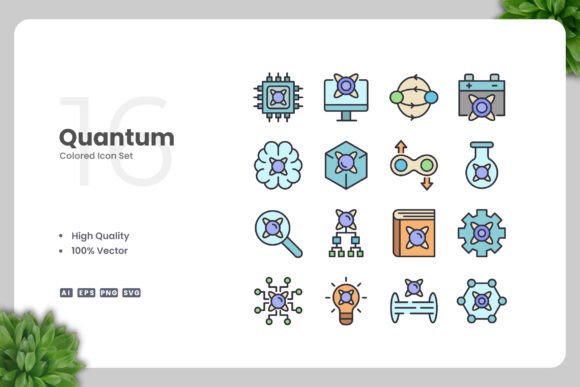
Neural Network Colored Icons offer a unique blend of advanced design and practical usability, making them an attractive option for designers, developers, and content creators. These icons are not just visual elements; they represent a fusion of technology and aesthetics that can enhance the user experience across multiple platforms. Whether you're working on a website, mobile application, or print material, Neural Network Colored Icons provide a cohesive and professional look that can elevate your project's overall appeal.
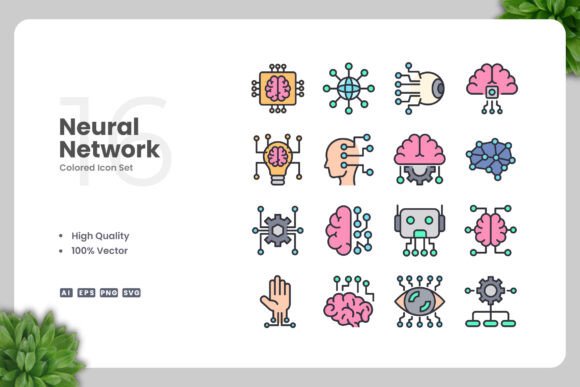
The distinctiveness of Neural Network Colored Icons lies in their ability to merge the complexity of neural networks with a clean, minimalist design. This combination allows for a visual language that is both modern and easy to understand. Unlike traditional icons that may rely heavily on abstract shapes or symbols, these icons incorporate subtle color gradients and geometric patterns that reflect the underlying structure of neural networks. This approach not only makes the icons visually engaging but also helps convey a sense of innovation and intelligence.
Comparing Neural Network Colored Icons with Other Design Options
When considering design solutions, it's important to evaluate how Neural Network Colored Icons stack up against other available options. Traditional icon sets often focus on simplicity and universality, aiming to be recognizable across different cultures and contexts. While this approach has its advantages, it may not always align with the specific needs of a project that requires a more technical or thematic representation.
In contrast, Neural Network Colored Icons are designed with a more specialized purpose in mind. They are ideal for projects that aim to communicate a connection to artificial intelligence, data science, or digital innovation. This specificity can be a significant advantage when targeting audiences that value technological sophistication. However, it may also mean that these icons are less suitable for general-purpose applications where broad recognition is essential.
Another consideration is the level of customization available. Many standard icon libraries offer limited options for modifying colors, sizes, or styles. Neural Network Colored Icons, on the other hand, come with a range of editable vector files, allowing users to adapt the icons to their specific requirements. This flexibility can be particularly beneficial for designers who need to maintain a consistent brand identity across various mediums.
Strengths and Tradeoffs of Neural Network Colored Icons
One of the key strengths of Neural Network Colored Icons is their high-quality design. Each icon is crafted with attention to detail, ensuring that it maintains clarity and visual impact at any size. This quality is especially important for projects that require icons to be used in multiple formats, such as web banners, mobile app interfaces, or printed materials.
The availability of source files in formats like Adobe Illustrator (AI), Encapsulated PostScript (EPS), Scalable Vector Graphics (SVG), and Portable Network Graphics (PNG) adds to the versatility of these icons. These files allow for seamless integration into different design workflows, whether you're using vector-based software or need a transparent PNG for web use. The inclusion of a Readme.txt file further enhances the user experience by providing clear instructions on how to use and modify the icons.
However, there are tradeoffs to consider. The specialized nature of Neural Network Colored Icons may limit their applicability in certain scenarios. For example, if your project requires a more conventional or universally recognized set of icons, these may not be the best fit. Additionally, while the icons are highly customizable, some users may find the editing process more complex than working with simpler icon sets.
Best-Fit Situations for Neural Network Colored Icons
Neural Network Colored Icons are particularly well-suited for projects that emphasize technology, innovation, or data-driven themes. If you're developing a mobile app focused on AI, creating a website for a tech startup, or designing educational materials about machine learning, these icons can serve as a powerful visual tool. Their ability to convey a sense of digital sophistication can help reinforce the message of your project and engage your target audience more effectively.
These icons are also a great choice for designers looking to add a unique touch to their work. By incorporating Neural Network Colored Icons into infographics, social media posts, or marketing collateral, you can create a more dynamic and visually compelling presentation. The clean and simple design ensures that the icons remain legible and effective, even when used in small sizes or alongside other graphical elements.
For professionals in fields such as graphic design, user experience (UX) development, or digital marketing, Neural Network Colored Icons can be a valuable addition to their toolkit. The ease of drag-and-drop integration into design software streamlines the workflow, allowing for quick and efficient implementation without sacrificing quality or creativity.
When to Choose Alternatives to Neural Network Colored Icons
While Neural Network Colored Icons offer many benefits, there are situations where alternative options may be more appropriate. If your project requires a broader range of icon styles or a more generic visual language, you might find that traditional icon sets provide greater flexibility. These alternatives often include a wider variety of shapes, symbols, and color schemes, which can be advantageous for projects that need to appeal to a diverse audience.
Additionally, if you're working on a project with tight deadlines or limited design resources, simpler icon sets may be more practical. They typically require less time and effort to implement, allowing you to focus on other aspects of your work. In such cases, the tradeoff between customization and efficiency may tip in favor of more straightforward design solutions.
It's also worth considering the preferences of your target audience. Some users may be more familiar with standard icon designs and may find the neural network-inspired visuals less intuitive. In these instances, opting for a more conventional approach could lead to better user engagement and understanding.
Practical Examples and Use Cases
Consider a scenario where a company is launching a new AI-powered analytics platform. By incorporating Neural Network Colored Icons into the platform's interface, the company can visually reinforce the technology's capabilities and create a more immersive user experience. The icons can be used to represent features such as data visualization, machine learning models, and real-time processing, helping users quickly understand the platform's functions.
Another example involves a digital marketing campaign aimed at promoting a book about artificial intelligence. Using Neural Network Colored Icons in the campaign's promotional materials can add a layer of visual interest and relevance. These icons can be featured in social media posts, email newsletters, and print advertisements, creating a cohesive and professional look that aligns with the book's theme.
For a mobile app developer, Neural Network Colored Icons can be an effective way to differentiate their product in a competitive market. By using these icons in the app's navigation, settings, and feature descriptions, the developer can create a more engaging and visually appealing interface that stands out from similar apps.